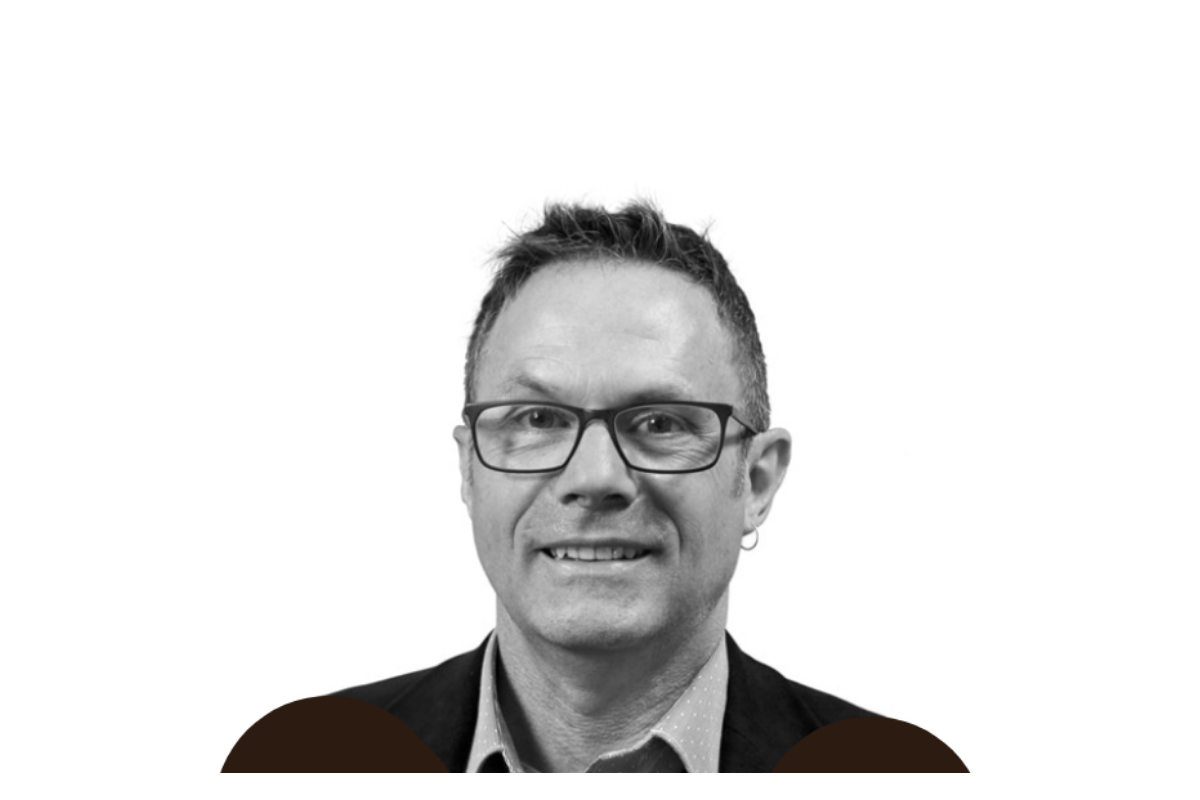
In Conversation With… John Zonnevylle
Who are the people helping to shape the KPI Programme?
Our In Conversation With… series introduces kaimahi from across the mental health and addiction sector, exploring the experiences, perspectives and aspirations they bring to the mahi.
First up, we’re in conversation with John Zonnevylle, System Design Manager at Te Whatu Ora.
John reflects on the journey that led him to this work, the lessons he’s learned along the way, and his moemoeā for the future of mental health and addiction services in Aotearoa.
Could you tell us a little about yourself and the journey that led you to this mahi?
I’m originally from Ōtautahi Christchurch but have lived in Poneke Wellington for 35 years. I’m a mental health nurse who stumbled into leadership and management while working in District Health Board mental health and addiction services. That’s where I developed a special interest in working with young people. A secondment to the Ministry of Health in the mid-2000s broadened my understanding of the power of data and when the KPI Programme kicked off I came to the national meetings, became a Child and Youth lead and I am now a sponsor.
What is one achievement or initiative you’re particularly proud of, and what impact has it had for the people and communities you serve?
Support and advocacy in a few key areas have marked my career. From being a persistent voice for better and more services for young people to family and whānau inclusion, and for evidence-based benefits of meaningful employment for people who experience mental health and addiction issues. For young people this includes support to participate in education or training. Championing the voices of Lived Experience and Tāngata Whenua also come to mind. I’ve also been a strong advocate for the need to use data to drive service improvement. Some of what I’m proud of is building collaborative relationships and understanding of mental health issues across sectors in acknowledgement that it takes a lot more than what a clinical service can do to support people to achieve their mental wellbeing goals. I think being a trusted voice for the needs of young people is perhaps my most enduring achievement.
What has been one of the biggest challenges in your mahi, and what has it taught you?
Working in a system where the dominant culture is adult focussed, the day-to-day pressures of that bigger system sometimes drown interest in, or the clear logic of doing more for young people. Maybe my learning is the need to be persistent and to find allies.
If you could change one thing about the mental health and addictions system in Aotearoa, what would it be, and why?
To have a set of approaches and services that could really support the promise of early intervention in the life course of mental health and addiction issues. Why, because we can’t afford not to, particularly as our population ages, we’ll need to ensure all people are able to participate to their potential but most importantly, because we can prevent a lot of distress for people and their whānau.
What advice would you give to emerging leaders who want to make a positive difference in this space?
Look for and build alliances with people who will support you as you navigate the world of leadership, take risks, and be kind to yourself.
Finally, what is your moemoea for the future of mental health and addiction services in Aotearoa?
The future is young; I’d like to see a mental health and addiction system that gets it right for young people. Where we start early and keep intervening at each point a young person falls off the track to being able to participate fully in our community, the economy, relationships and getting the most out of life.
Related stories
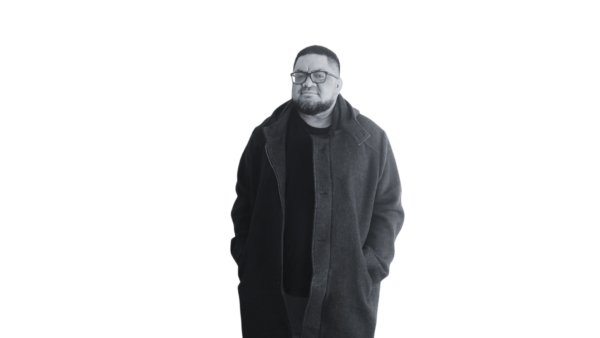
In conversation with… Jason Haitana
October 2, 2026
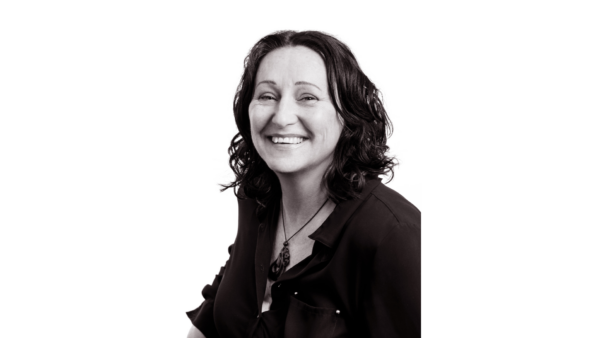
In Conversation With… Joanne Brinsden
October 1, 2026
New website for the KPI Programme
February 25, 2026
Northern Region KPI Benchmarking Forum 2025
October 14, 2025